Tommy John Surgery: Can It Help MMA Fighters Recover from Elbow Injuries?
```html
While Tommy John surgery, formally known as ulnar collateral ligament (UCL) reconstruction, is famously associated with baseball pitchers, its application extends beyond the diamond. This procedure can be beneficial for athletes across various sports, including combat sports like MMA.
This brings up a crucial question for MMA fighters who sustain severe elbow injuries: is Tommy John surgery a viable option for them, and can they return to fighting afterward?
The straightforward answer is yes, under the right conditions. However, MMA presents distinct challenges that differentiate the recovery process from that of a baseball player.
Understanding Tommy John Surgery
Tommy John surgery involves reconstructing a torn UCL, the ligament on the inner side of the elbow that provides stability. Surgeons typically use a tendon graft from another part of the athlete's body or, in some instances, a donor graft to replace the damaged ligament.
The procedure was first performed in 1974 by Dr. Frank Jobe on baseball pitcher Tommy John. John's successful return to Major League Baseball and subsequent performance cemented the surgery as a landmark achievement in sports medicine.
Today, UCL reconstruction is widely recognized as a highly successful operation for carefully selected athletes. Studies suggest that approximately 80% of athletes can return to their previous competitive level after this surgery.
Why MMA Fighters Might Need This Surgery
Although MMA fighters do not engage in the repetitive throwing motion characteristic of baseball, their elbows can still endure immense stress. Actions such as punching, grappling, wrestling, posting on the mat, and defending takedowns can all exert significant force on the elbow. Acute UCL injuries can also occur when an arm is forced beyond its natural range of motion.
It's important to note that medical experts acknowledge UCL injuries can affect wrestlers and other contact sport athletes, not just baseball players. Institutions like the Mayo Clinic specifically list wrestlers, football players, and gymnasts among those susceptible to UCL injuries.
For an MMA fighter, a significant UCL tear can result in pain, instability, and an inability to effectively generate or absorb force through the arm.
Effectiveness of the Surgery in MMA
The effectiveness of Tommy John surgery for MMA fighters is a more complex issue.
There is substantial evidence supporting the ability of UCL reconstruction to allow athletes to return to competitive sports. However, the majority of extensive studies on Tommy John surgery focus on baseball players and other throwing athletes, not professional MMA fighters.
This distinction is significant.
A baseball pitcher's reconstructed elbow primarily needs to withstand the forces of throwing. In contrast, an MMA fighter's elbow must endure a far wider spectrum of unpredictable forces.
An MMA fighter may need to:
- Throw punches with maximum power
- Defend against takedowns
- Post against the cage or mat
- Engage in grappling exchanges
- Absorb strikes
- Repeatedly extend and flex the elbow
- Defend against submissions
- Use their arm to support body weight
Therefore, a successful UCL reconstruction does not automatically equip an athlete for the demands of MMA.
The Extended Recovery Timeline
One of the most substantial hurdles for a fighter is the rehabilitation period.
According to Johns Hopkins Medicine, athletes may require nine months to a year, or even longer, to return to competition after Tommy John surgery. The American Academy of Orthopaedic Surgeons indicates that complete recovery from UCL reconstruction can take approximately 12 to 18 months.
This represents a considerable amount of time for an MMA fighter to be sidelined from competition.
Furthermore, returning to competition is not necessarily equivalent to returning to the fighter's previous performance level.
A review of Major League Baseball pitchers revealed that while 80% to 97% returned to play after primary UCL reconstruction, only 67% to 87% returned to their previous level of performance, with this process typically taking around 15 months.
While these statistics are specific to baseball, they highlight a critical point: successful surgery is merely the initial step in the comeback journey.
MMA's Unique Demands on the Elbow
There is another key difference between baseball and MMA.
A pitcher can follow a controlled throwing program during rehabilitation. An MMA fighter, however, must eventually return to an environment where an opponent is actively attempting to manipulate the injured joint.
This makes the final stages of rehabilitation particularly critical.
A fighter cannot simply demonstrate normal elbow movement or the ability to hit pads. They must prove that the reconstructed ligament and surrounding muscles can withstand the unpredictable stresses of wrestling and grappling.
Returning too soon can be dangerous. Johns Hopkins notes that applying excessive stress to the graft before it has fully healed increases the risk of failure.
Not All UCL Injuries Require Tommy John Surgery
Perhaps the most vital takeaway is that a UCL injury does not automatically necessitate Tommy John surgery.
Treatment decisions depend on the severity and location of the tear, the athlete's symptoms, elbow stability, and competitive aspirations.
Some injuries can be managed with rest, physical therapy, and strengthening exercises. In certain cases, a surgeon might recommend repairing the existing ligament instead of performing a complete reconstruction. Modern surgical techniques can also incorporate an "internal brace" for suitable candidates.
For an MMA fighter, the decision should be based on the specific nature of the injury rather than simply a desire for a rapid return to competition.
Can an MMA Fighter Truly Recover from Tommy John Surgery?
Absolutely.
However, the more pertinent question is not whether Tommy John surgery "works," but rather if the surgery, rehabilitation, and subsequent return-to-training process can restore sufficient stability and strength for the individual fighter to safely handle the demands of MMA.
Current medical evidence indicates that UCL reconstruction can lead to strong return-to-sport outcomes in athletes. Research also confirms that UCL injuries occur in contact sports, including wrestling.
What remains less clear is the specific long-term success rate among professional MMA fighters, as the scientific literature is considerably more extensive for baseball and other throwing sports.
For a fighter, patience may prove to be as crucial as the surgery itself. A reconstructed elbow requires time to heal, while the surrounding muscles need to be rebuilt, and the athlete must gradually reintroduce striking, wrestling, and grappling.
The Concluding Thought
Tommy John surgery is not an instant fix, nor is it specifically tailored for MMA. However, because the procedure reconstructs a ligament vital for elbow stability, it can potentially be a career-saving option for an MMA fighter with a significant UCL injury.
The path to recovery, though, is a long one.
For an athlete whose profession depends on their ability to punch, grapple, and fight through extreme positions, the primary objective should not be a swift return to the Octagon. The goal should be to return healthy enough to remain there.
```Fresh materials — PFL News
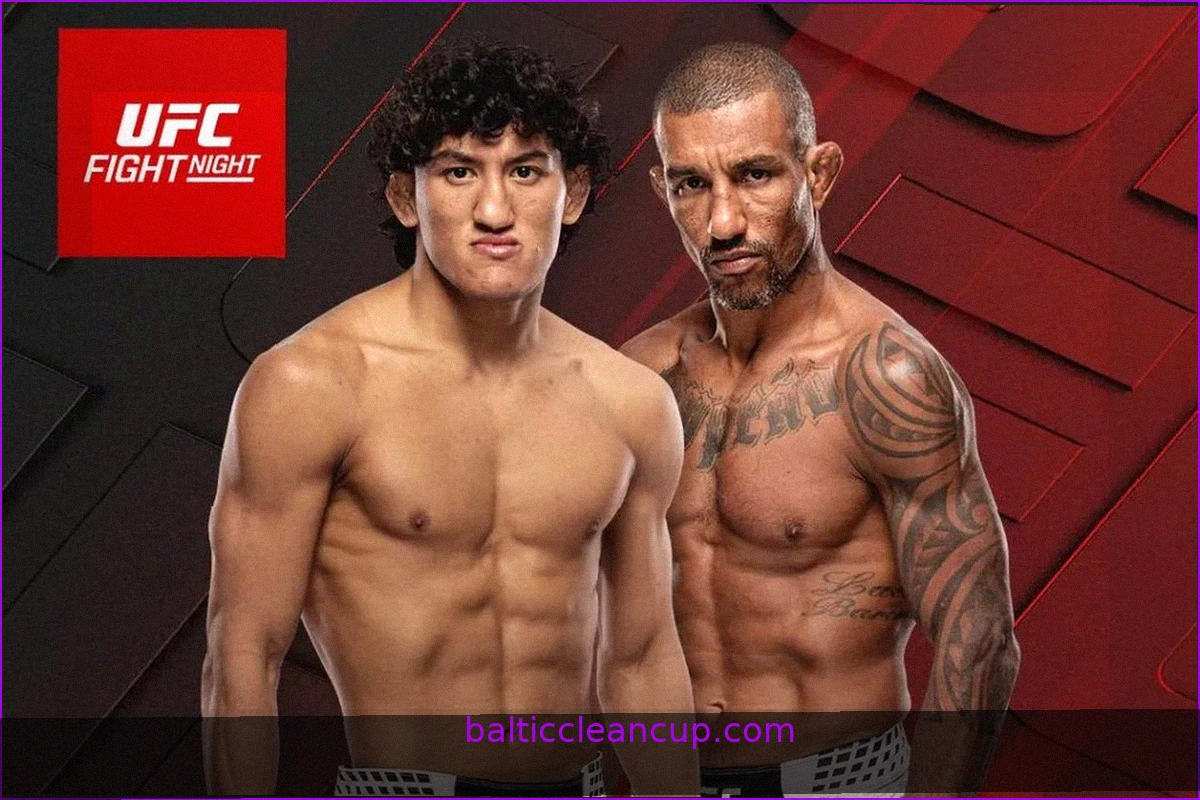
UFC Vegas 121 Results: Rosas Jr. vs. Barcelos
UFC Vegas 121 took place at the META Apex in Las Vegas. The main event featured a bantamweight bout between Raul Rosas Jr. and Raoni Barcelos, both entering the fight on five-win streaks. Full UFC Vegas 121 Fight Card Results: Main Card (Paramount+): Raul Rosas Jr. vs. R
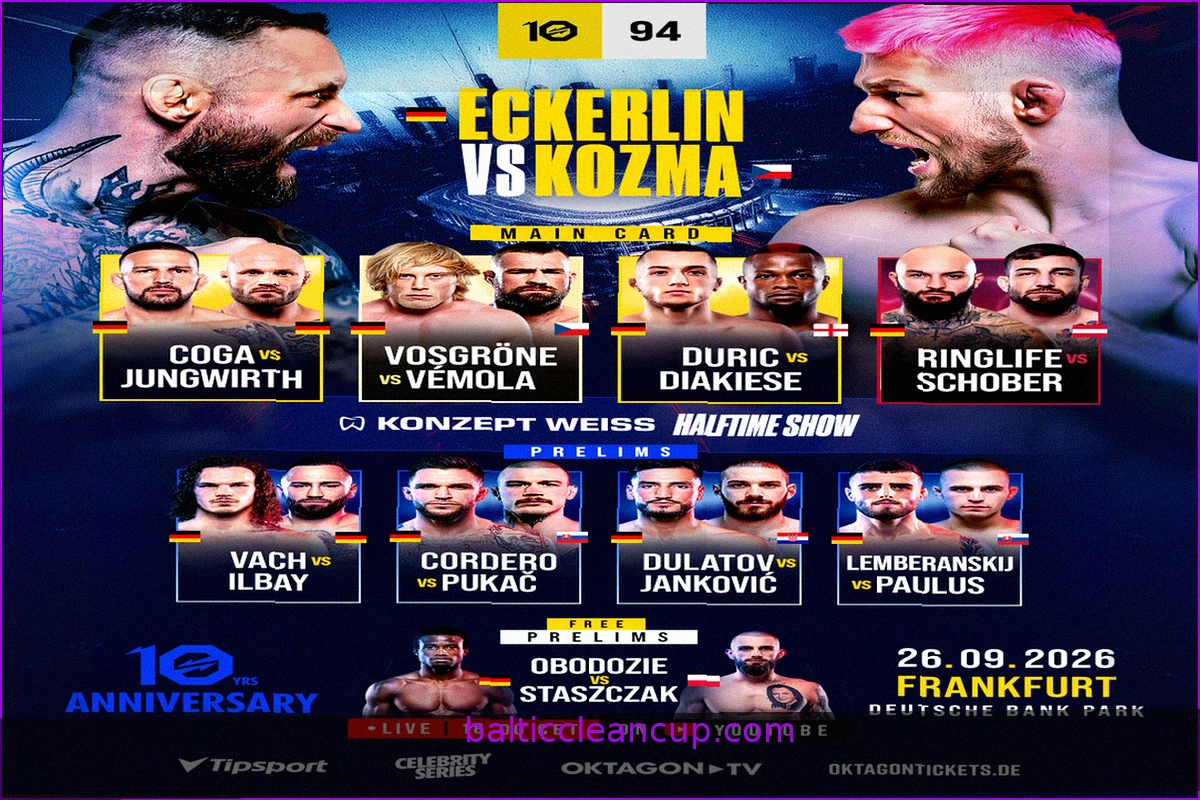
60,000 Fans to Pack Football Stadium for Year's Biggest MMA Event
This Saturday, September 26, Deutsche Bank Park stadium in Frankfurt will host the year's largest MMA event. A crowd of 60,000 fans will gather for OKTAGON 94, returning to the venue where a world record attendance for an MMA show was previously set. This event also marks a significant part of
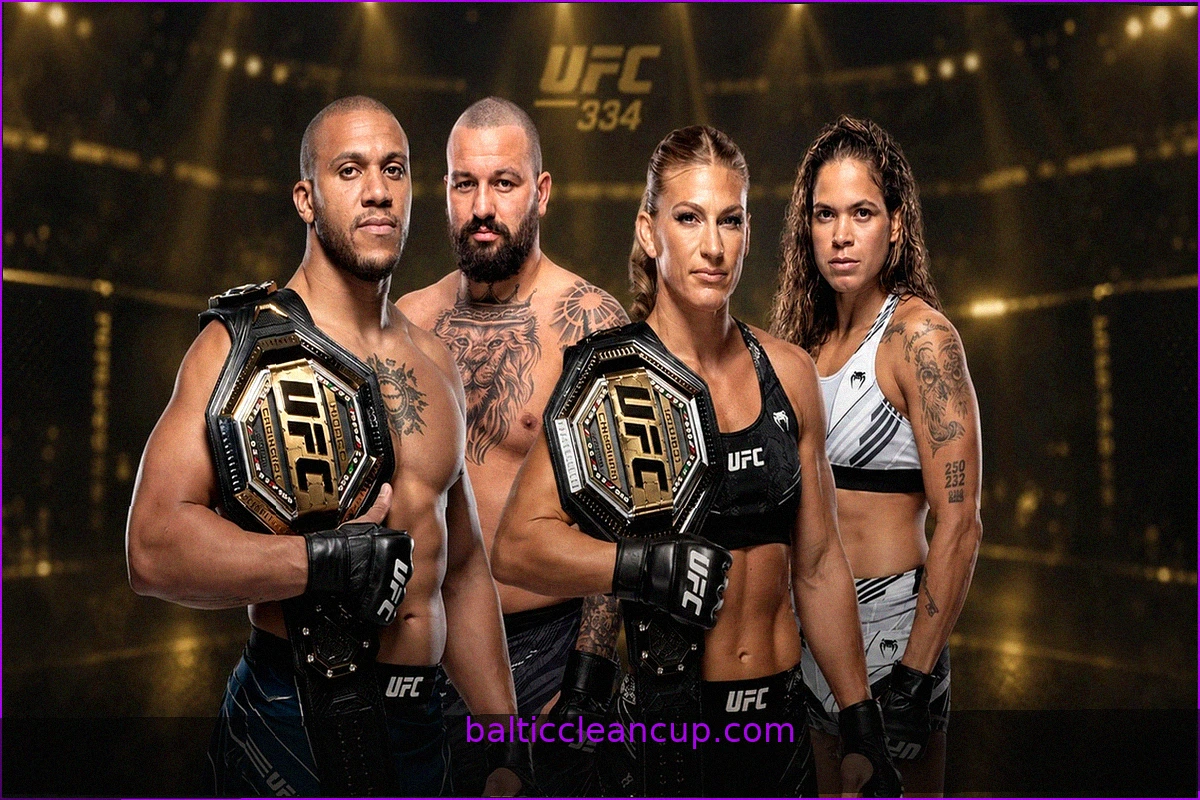
UFC 334: Gane vs. Hokit Headlines Return to Madison Square Garden with Doubleheader
UFC is back at Madison Square Garden in New York City, presenting a fight card topped by two championship bouts. In the main event, the undisputed UFC heavyweight champion Ciryl Gane defends his title for the first time against No. 4 ranked contender Josh Hokit. The co-main event showcases wha

The True Meaning of Recovery in Fitness for Everyday People
Recovery is often misunderstood. While athletes may use ice baths and specialized equipment, for most people who exercise regularly, recovery is much simpler. It's the body's process of repairing itself, adapting to exertion, and becoming stronger. Understanding this is key to consistent progr
Beyond the UFC: How to Legally Stream Regional MMA
Most UFC champions began their careers in smaller promotions. Before widespread recognition, many fought on regional cards in modest venues, seen by hundreds of fans and a few cameras. For dedicated followers, tracking these promotions offers early insight into future stars, years before they
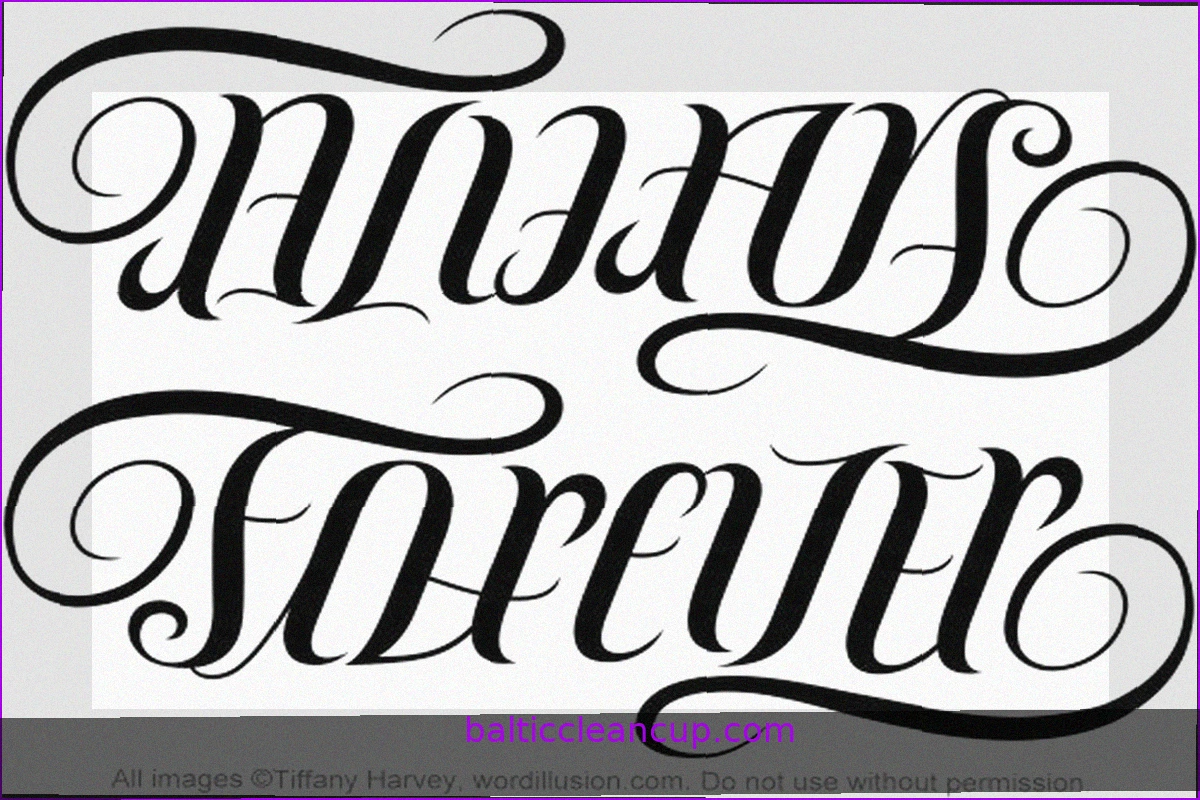
The Secret Language of Ambigram Tattoos: What Your Flip Design Really Says
Some tattoos are immediately clear. An ambigram, however, requires a second look – and that's its essence. Viewed one way, it holds one meaning; flipped, rotated, or seen in a mirror, it reveals another. The space between these two readings is where the true significance lies. This style's