NASA Selects University Teams to Advance Aviation Research
NASA has awarded four university teams the opportunity to contribute to the future of aviation through groundbreaking research. These projects encompass a diverse range of critical areas, including the development of advanced supersonic propulsion systems and strategies for minimizing noise from small aircraft operating in urban environments.
These initiatives are made possible through NASA's University Leadership Initiative (ULI), which provides student teams with practical experience in flight research, directly supporting the agency's aeronautics objectives. The selected projects align with NASA's strategic goals, focusing on innovation in commercial high-speed aircraft, the creation of novel tools for transformative aviation breakthroughs, enhancing the safety and efficiency of air traffic management, and integrating new air transportation methods into the national airspace.
"With these four new awards, the University Innovation project is leaning in on NASA’s aeronautics mission priorities," stated Andrew Provenza, project manager at NASA's Glenn Research Center. "These teams will research new propulsion concepts for supersonic flight, novel engineering methods that can revolutionize aerospace system design and certification, and learning-enabled avionics for new advanced and urban air mobility flight vehicle platforms, which could enhance air traffic control modernization."
This marks the ninth round of funding for the University Leadership Initiative. The total award of approximately $30 million will provide multiyear support for the universities to build their research teams. This program not only offers invaluable hands-on experience for students, cultivating the next generation of U.S. aeronautics researchers, but also generates findings crucial for advancing aviation.
ULI awards are granted to teams comprising graduate and undergraduate students, led by faculty members. These teams collaborate with other universities, community colleges, and industry partners, receiving guidance from experts at NASA, the Federal Aviation Administration, and other organizations.
Awarded Projects:
University of Minnesota
Adaptive Supersonic Combined Cycle Engine for Next-generation Transportation
This four-year project, led by Terrence Meyer, aims to develop a fuel-flexible propulsion system. The system will utilize a conventional jet turbofan for takeoff and subsonic flight, transitioning to a novel ramjet engine for supersonic cruising at Mach 4 (over 3,000 mph). The objective is to enable efficient, faster-than-sound flight, including at high supersonic speeds.
Stanford University
Safety Across Lifecycle of Learning-Enabled Avionics Systems: Safety Data Flywheel
Under the leadership of Somil Bansal, this four-year project focuses on creating an avionics system for aircraft control that integrates machine learning. The system will be designed to ensure continuous safety reinforcement throughout its operational life. This research could establish a framework for the safe integration of AI-enabled avionics into the national airspace.
Stanford University
Noise-Optimal Trajectory Planning for Urban Air Mobility Operations, Including Ambient Noise
Led by Juan Alonso, this four-year initiative will develop a high-fidelity simulation framework for creating low-noise flight paths for future small aircraft in urban settings. The project aims to address the potential noise impact of urban air mobility (UAM) vehicles used for transporting people and cargo. The simulation will incorporate realistic models of sound propagation in cities to enable flight path planning that minimizes community noise exposure.
Virginia Tech
Certification Driven Aircraft Design Under Uncertainty
This three-year project, spearheaded by Darshan Sarojini, seeks to revolutionize next-generation aircraft design by integrating advanced computational tools. These include model-based systems engineering, multidisciplinary design, analysis and optimization, and high-dimensional uncertainty quantification. The goal is to achieve safe, faster, and more efficient modeling processes, reducing costly redesigns later in the development cycle.
For over a decade, NASA's University Leadership Initiative has fostered innovative ideas, collaborative research, and team-driven solutions, forming a key part of NASA's Research and Technology Mission Directorate.
Fresh materials — MMA News
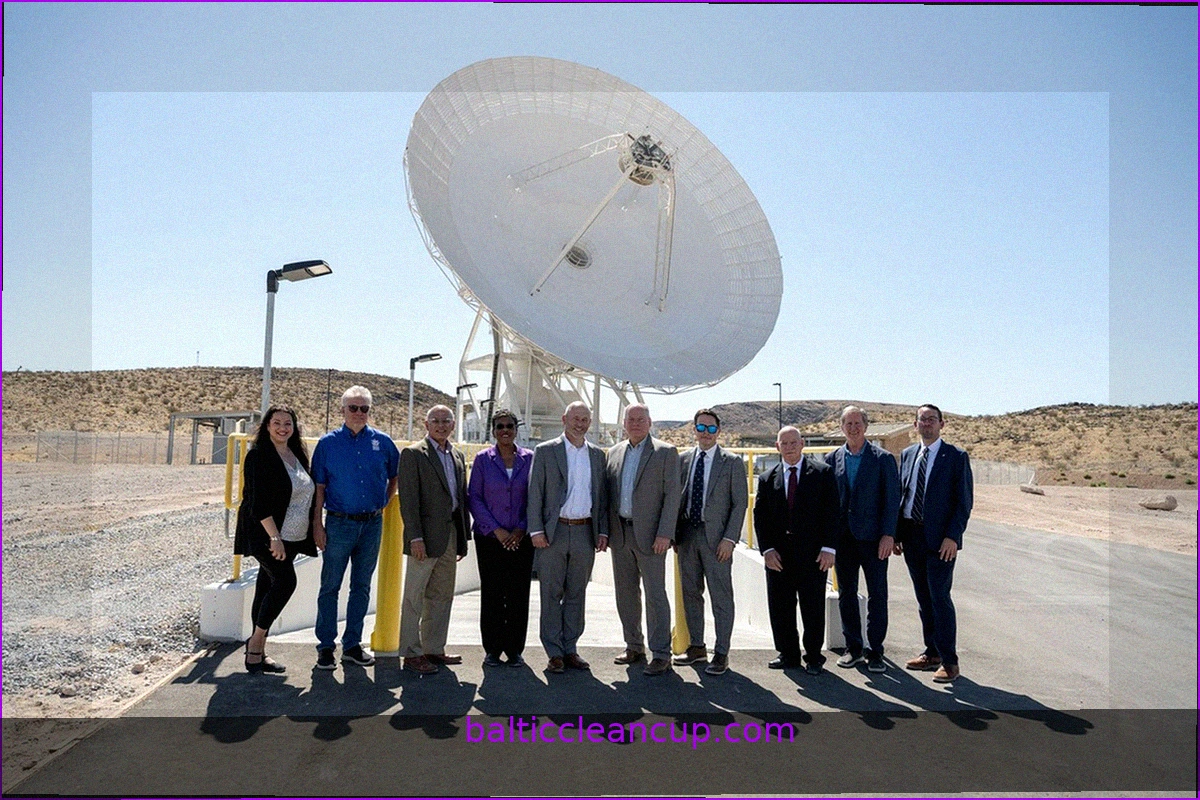
Ribbon-Cutting Ceremony for NASA's Deep Space Station 23
NASA/JPL-Caltech NASA Headquarters, Jet Propulsion Laboratory (JPL), and the Deep Space Network (DSN) leadership recently convened for a ribbon-cutting event to inaugurate Deep Space Station 23 (DSS-23) at the D
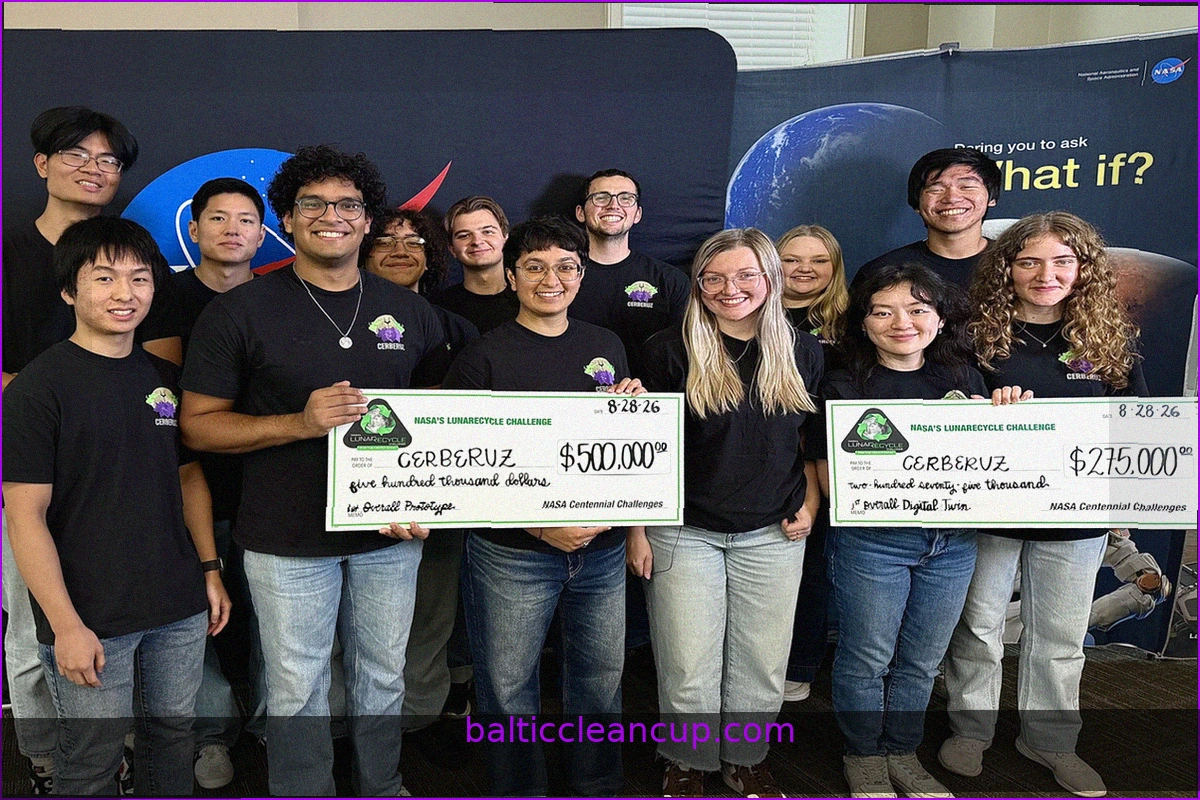
MIT Team Wins NASA's LunaRecycle Challenge Phase 2 for Waste Recycling Innovation
NASA has announced a team from the Massachusetts Institute of Technology (MIT) as the grand prize winner of Phase 2 of its LunaRecycle Challenge. This competition aims to develop innovative solutions for reducing waste during space missions by recycling everyday materials like fabrics
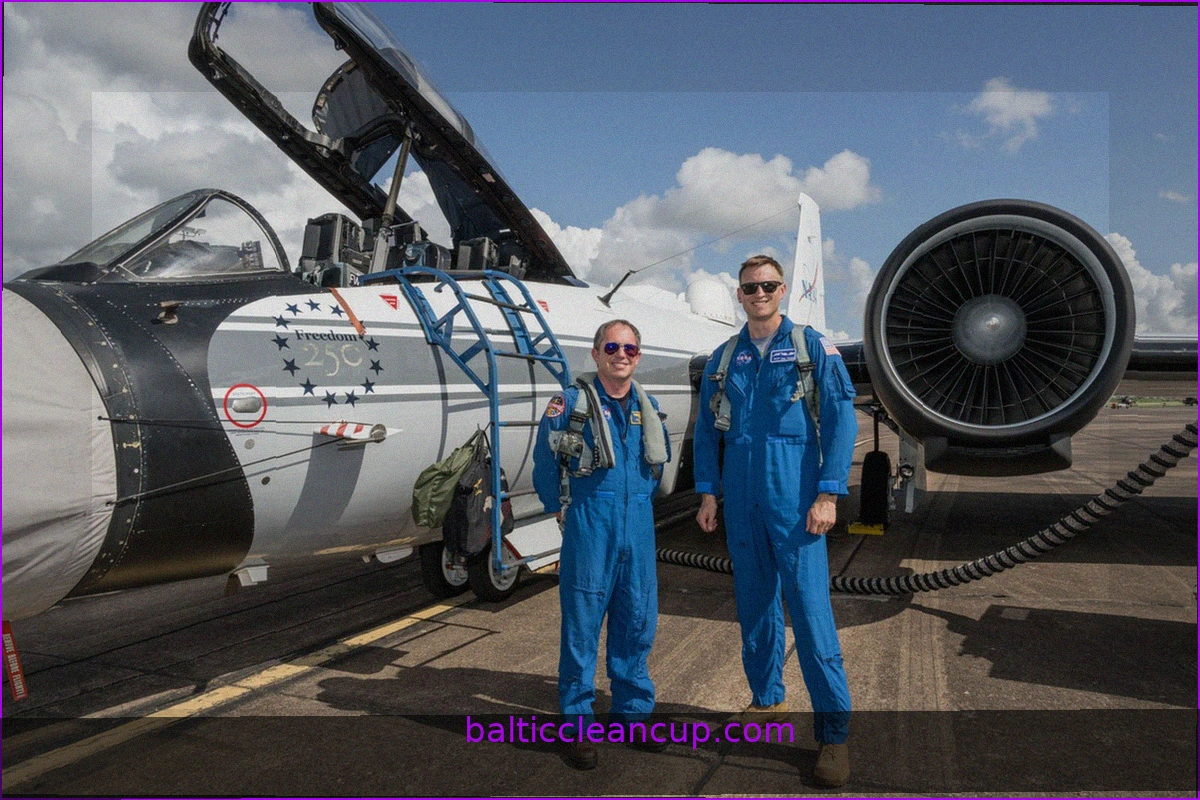
NASA Johnson Pilots Chase Moon’s Shadow for Eclipse Science
During the total solar eclipse on August 12th over Europe, scientists sought to unravel a persistent enigma: why the Sun's outer atmosphere, the corona, is significantly hotter than its visible surface. To gather the necessary data, precise timing and location were paramount. Pilots from
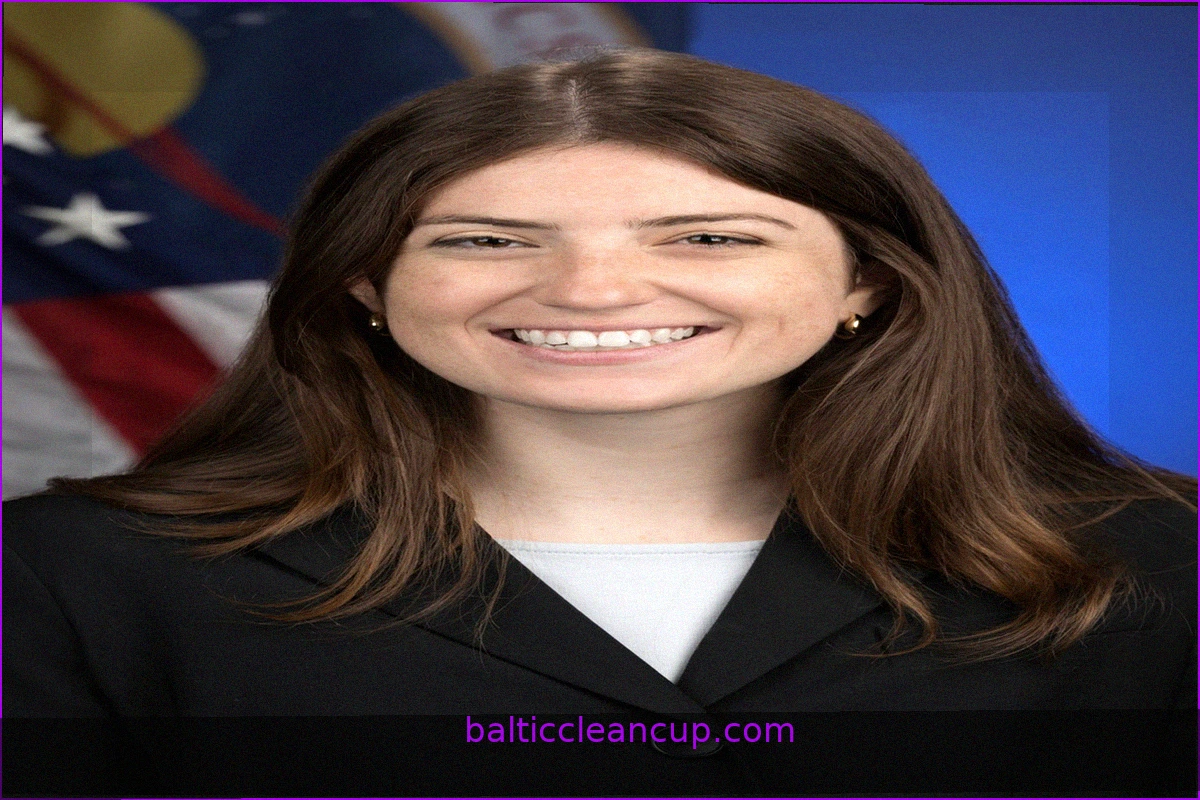
Building Foresight for Earth Science: Lindsey Jacobson's Role in NASA
NASA's Earth-observing satellite missions diligently track numerous planetary changes, including aerosols, sea levels, land cover, and cloud cover, over extended periods. Maintaining the integrity of this crucial data for scientific and operational users necessitates more than just engineering
NASA to Announce LunaRecycle Challenge Winners at University of Alabama
NASA is set to unveil the champions of its LunaRecycle Challenge on Friday, August 28th, at The University of Alabama (UA) Lee Styslinger College of Engineering in Tuscaloosa, Alabama. This challenge, initiated in 2024, aims to foster the creation of novel recycling systems crucial for managing
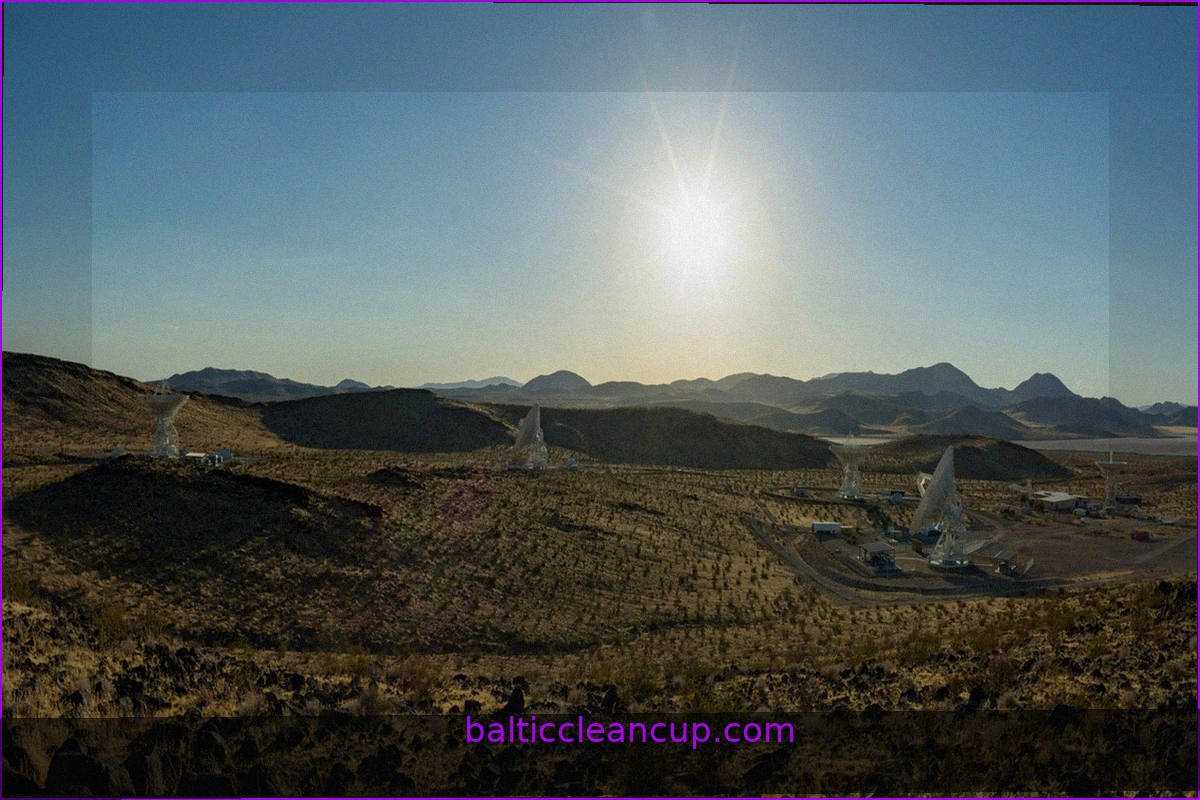
New Next-Gen Dish Boosts NASA's Deep Space Communication Capabilities
NASA has significantly enhanced its deep space communication and navigation infrastructure with the addition of a new 34-meter (114-foot) radio frequency antenna at its Goldstone facility in California. This cutting-edge dish is now part of a global network of large antennas that supports over 40